Blogs — To Know
How the Gut Recycles Estrogen in Perimenopause & Menopause
Support Your Gut, Support Your Hormones
Share article:
When oestrogen levels drop in perimenopause and menopause, symptoms like hot flushes, mood swings, and sleep changes can appear. But did you know your gut bacteria can help your body recycle some of that oestrogen?
How It Works
Oestrogen is made in the ovaries, adrenal glands, and fat tissue.
During menopause, levels fall naturally.
Oestrogen travels to the liver and then into the gut.
In the gut, friendly bacteria can “unlock” some oestrogen, allowing it to be reabsorbed.
The rest leaves the body.
This recycling helps the body hold on to a little more oestrogen when it’s most needed.
Support Your Gut, Support Your Hormones
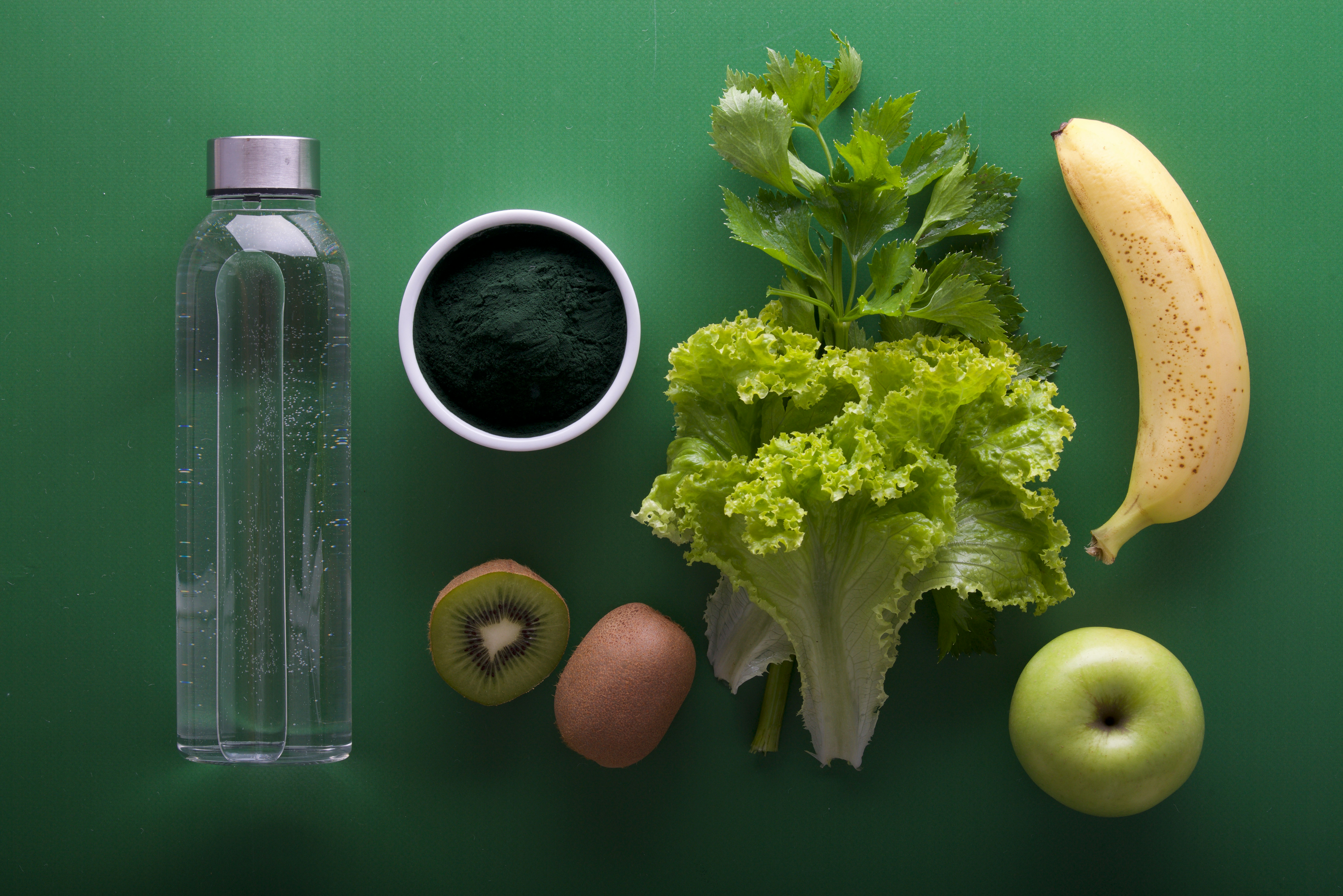
Eat more fibre-rich foods like fruit, vegetables, beans, and wholegrains.
Add fermented foods such as yoghurt, kefir, kimchi, or sauerkraut.
Consider prebiotics and probiotics, which are being studied for their role in menopause support.
The Takeaway
Your gut isn’t just for digestion — it’s a key player in hormone balance. By looking after your microbiome, you may support oestrogen recycling and ease some symptoms of perimenopause and menopause naturally.
Of course — here’s a shortened version of your blog that keeps it simple, friendly, and easy for readers to digest. I’ve kept the key ideas: microbiome → oestrogen recycling → diet tips, and trimmed out the extra repetition.